Fluorescence Microscope Image of Human Cells Undergoing Mitosis Stock Biology Diagrams Both LSCM and SDCM systems are available with multiple lasers for imaging a range of fluorescent probes. A third alternative for imaging mitosis is to use a wide-field fluorescence microscope and perform deconvolution to remove out-of-focus fluorescence . Turnkey systems are available for this mode of microscopy (e.g. DeltaVision). Fluorescence microscopy is one of the most important approaches in the cell biologist's toolbox for studying the mitotic spindle. In fact, many of the key insights into our understanding of mitosis have been enabled by the visualization of mitotic processes using fluorescence microscopy. Here, we su … Digital imaging with fluorescence microscopy is becoming a powerful tool to assist scientists in understanding the complex process of mitosis on both a structural and functional level. Fluorescent probes can be attached to specific subcellular components, such as the chromosomes and microtubules, for visualization of mitosis using standard epi
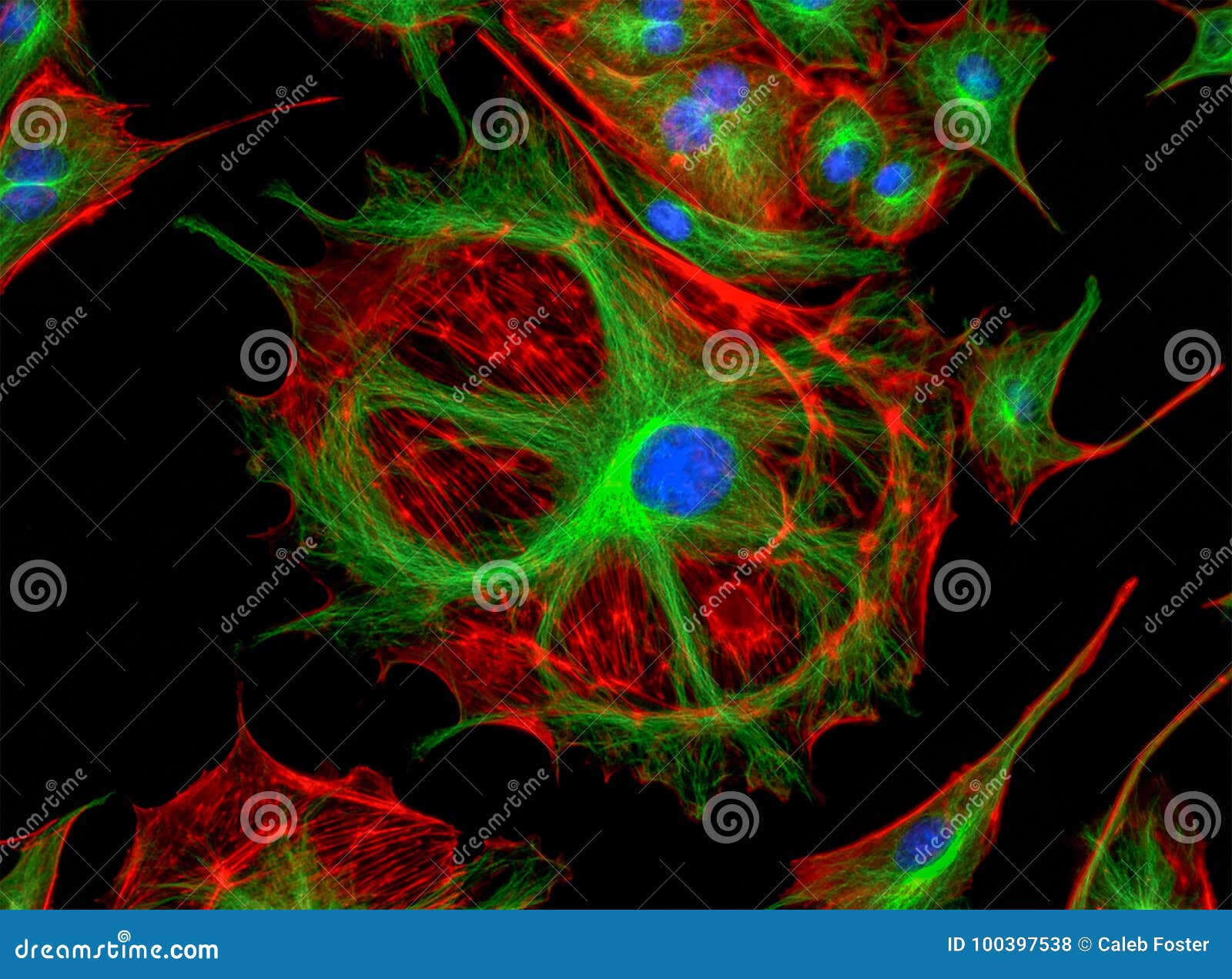
By creating fluorescent fusion proteins varying in wavelength emission, one can further determine if proteins of interest co-localize or concentrate in specific subcellular compartments during mitosis. For use in wide field fluorescence imaging assays described herein, a human cell line was employed that expresses histone H2B fused to green
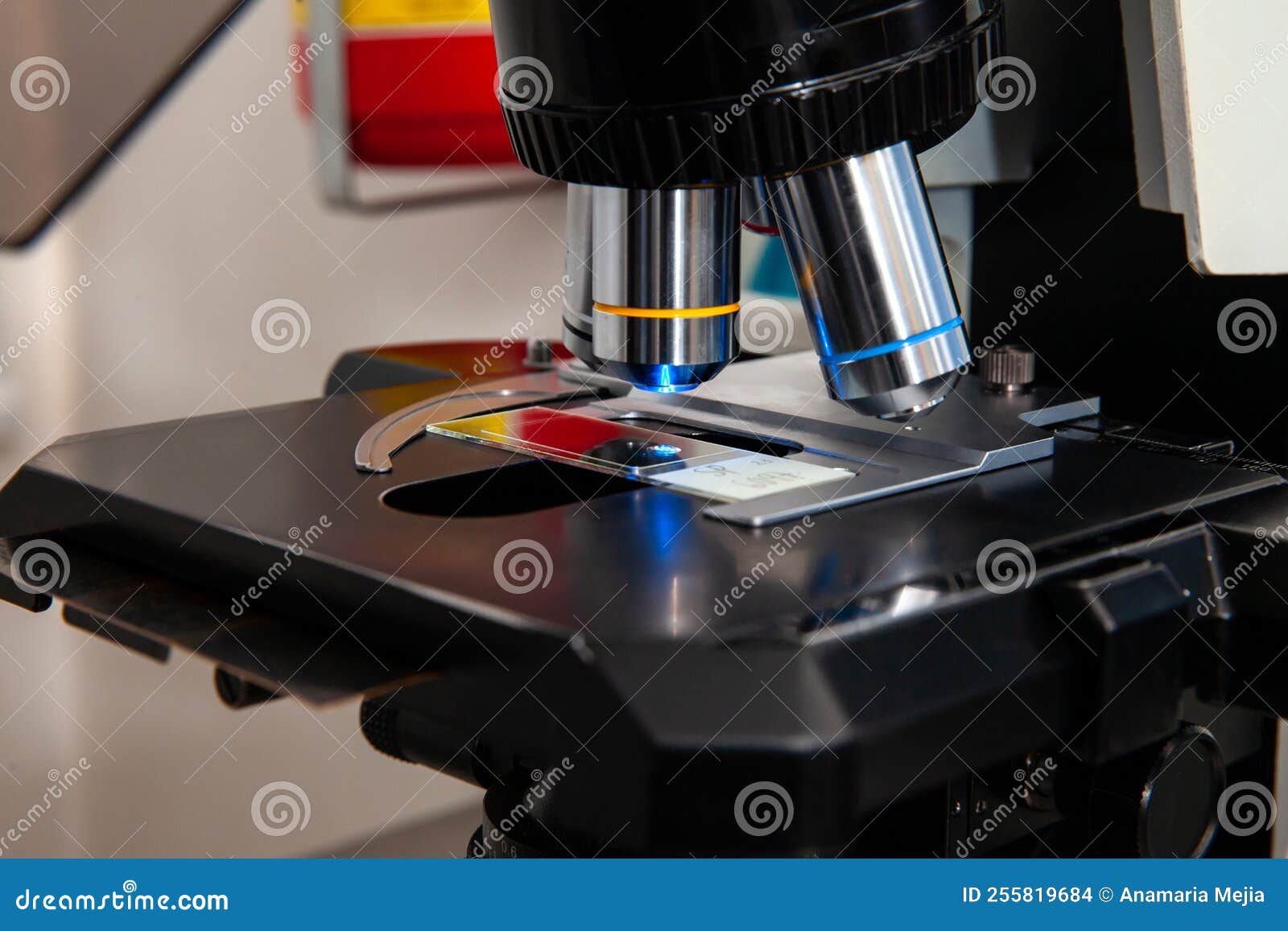
Using Fluorescence Microscopy to Study Mitosis Biology Diagrams
1.1. OVERVIEW OF FLUORESCENCE IMAGING AND MITOSIS. In the late 1800's Flemming, Van Beneden and their contemporaries carried out the first studies of chromosome behavior in dividing cells in both living and fixed tissue using the available microscope methodology . Since that time tremendous advances in microscope technology and fluorescence Mitosis is a highly dynamic and choreographed process in which chromosomes are captured by the mitotic spindle and physically segregated into the two daughter cells to ensure faithful transmission of the genetic material. Live-cell fluorescence microscopy enables these dynamics to be analyzed over diverse temporal scales. 1.1 Overview of Fluorescence Imaging And Mitosis. In the late 1800's Flemming, Van Beneden and their contemporaries carried out the first studies of chromosome behavior in dividing cells in both living and fixed tissue using the available microscope methodology (reviewed in ). Since that time, tremendous advances in microscope technology and

Mitosis is a highly dynamic and choreographed process in which chromosomes are captured by the mitotic spindle and physically segregated into the two daughter cells to ensure faithful transmission of the genetic material. Live-cell fluorescence microscopy enables these dynamics to be analyzed over diverse temporal scales.
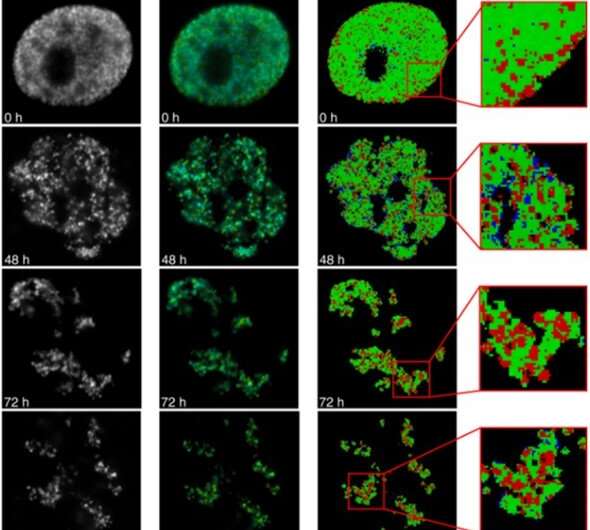
Live Cell Fluorescence Imaging for Phenotypic Analysis of Mitosis Biology Diagrams
The impact of fluorescence microscopy on cell biology in general, and on the field of mitosis in particular, is profound. This major impact has occurred due to the confluence of the development of fluorescent reporter molecules that can be delivered to and expressed in live cells and advances in equipment used for imaging.

