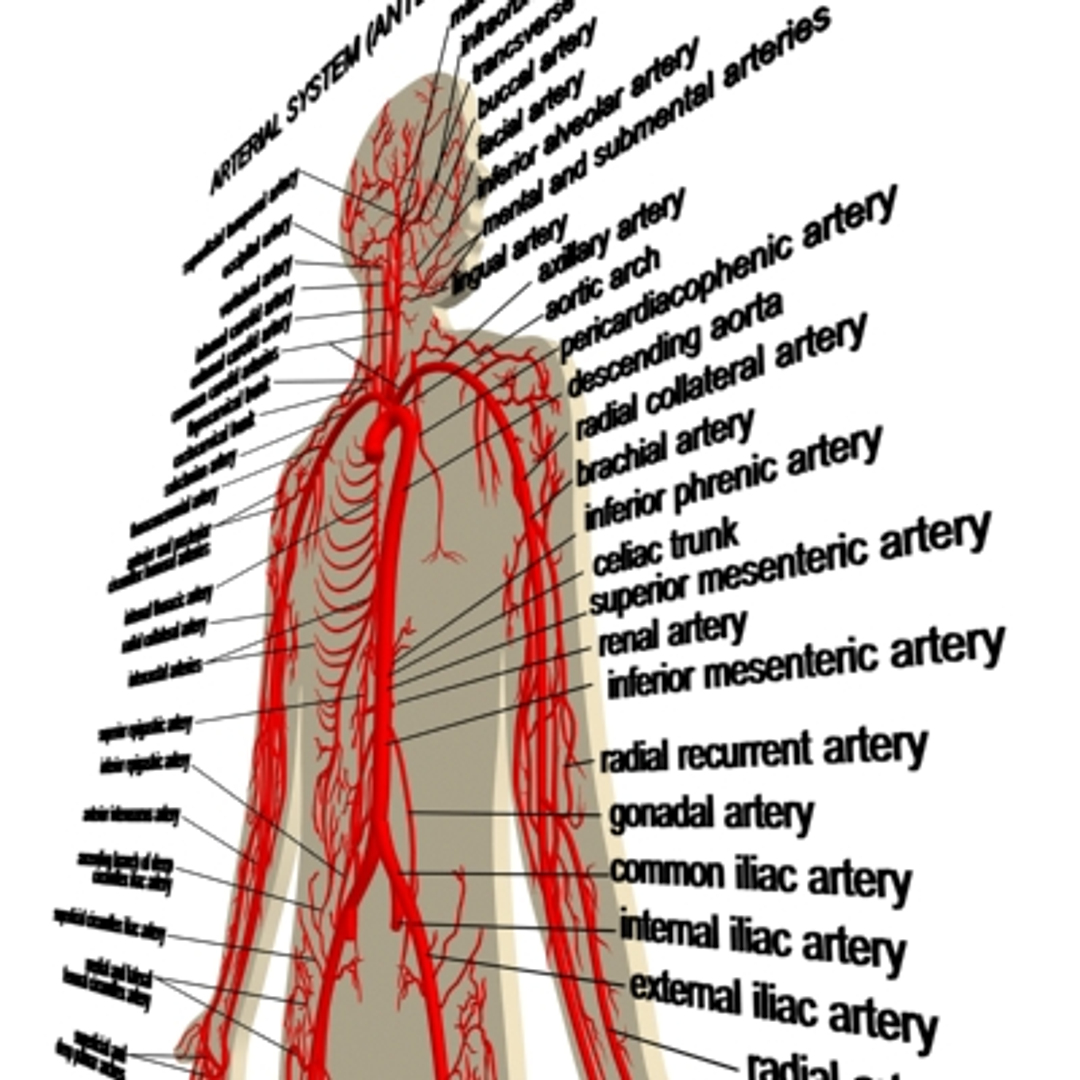
Human Arterial System Biology Diagrams Based on the types of blood they carry and the location of delivery, arteries can be classified into two types, viz. pulmonary arteries and systemic arteries. Systemic Arteries These arteries supply oxygenated blood from the left ventricle to every tissue of the body for cellular respiration and nutrient circulation. The lymph vessels carry lymphatic fluid. This is a clear, colorless fluid made of water and blood cells. The lymphatic system is part of the immune system that helps rid the body of toxins and waste. It does this by filtering and draining lymph away from each region of the body. The vessels of the blood circulatory system are: Arteries.

The intercostal arteries are a pair of arteries on either side of the body that send blood to various areas of the torso, including the vertebrae, spinal cord, back muscles, and skin. Superior
How Your Circulatory System Works Biology Diagrams
The arterial system is a part of the circulatory system, in reference to high pressure. The main structures that form the system include: are responsible for carrying blood away from the heart and directing it toward all other tissues and organs of the body. The arterial system is extremely important in delivering oxygen and nutrients to

Arteries of the Body: Essential Pathways for Life Arteries, the vital conduits of our circulatory system, play a pivotal role in maintaining our health and well-being. These remarkable blood vessels transport oxygen-rich blood away from the heart, ensuring that every cell, tissue, and organ receives the nourishment it needs. arteries, exploring Your circulatory system, or cardiovascular system, supplies oxygen and nutrients to your whole body and removes waste through your blood. Your heart pumps blood that flows through your arteries, veins and capillaries. These blood vessels and your heart form your circulatory system. They work together to ensure your cells have what they need. The major arteries in the body are: The aorta. The largest artery in the body, which connects directly to the left ventricle of the heart. It begins the systemic division of the arterial system, which includes all the arteries that deliver blood to all the tissues in the body other than the lungs. Arteries of the head and neck (carotids)
Human Arterial System Biology Diagrams
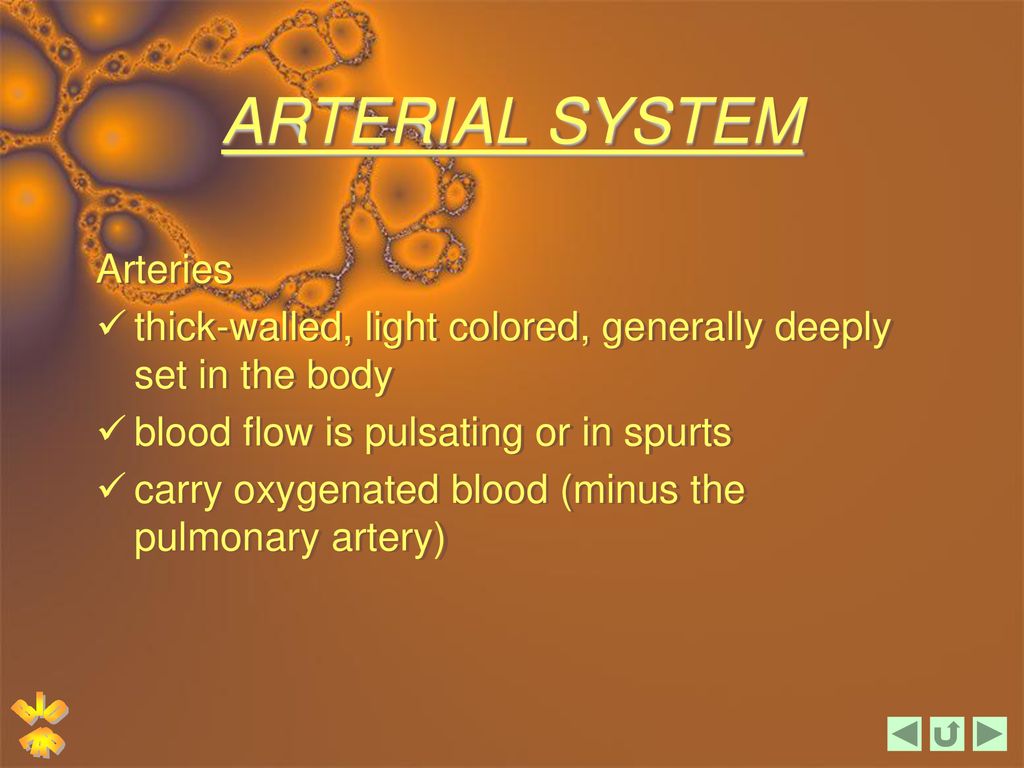
Arteries, part of your circulatory (cardiovascular) system, are the blood vessels that bring oxygen-rich blood from your heart to all of your body's cells.They play a crucial role in distributing oxygen, nutrients and hormones throughout your body. Arteries keep your body alive and healthy by delivering what your cells and tissues need.

